API 6A Hub Clamps: The Ultimate Guide to High-Pressure Clamp Connectors for Oil & Gas Systems
Introduction
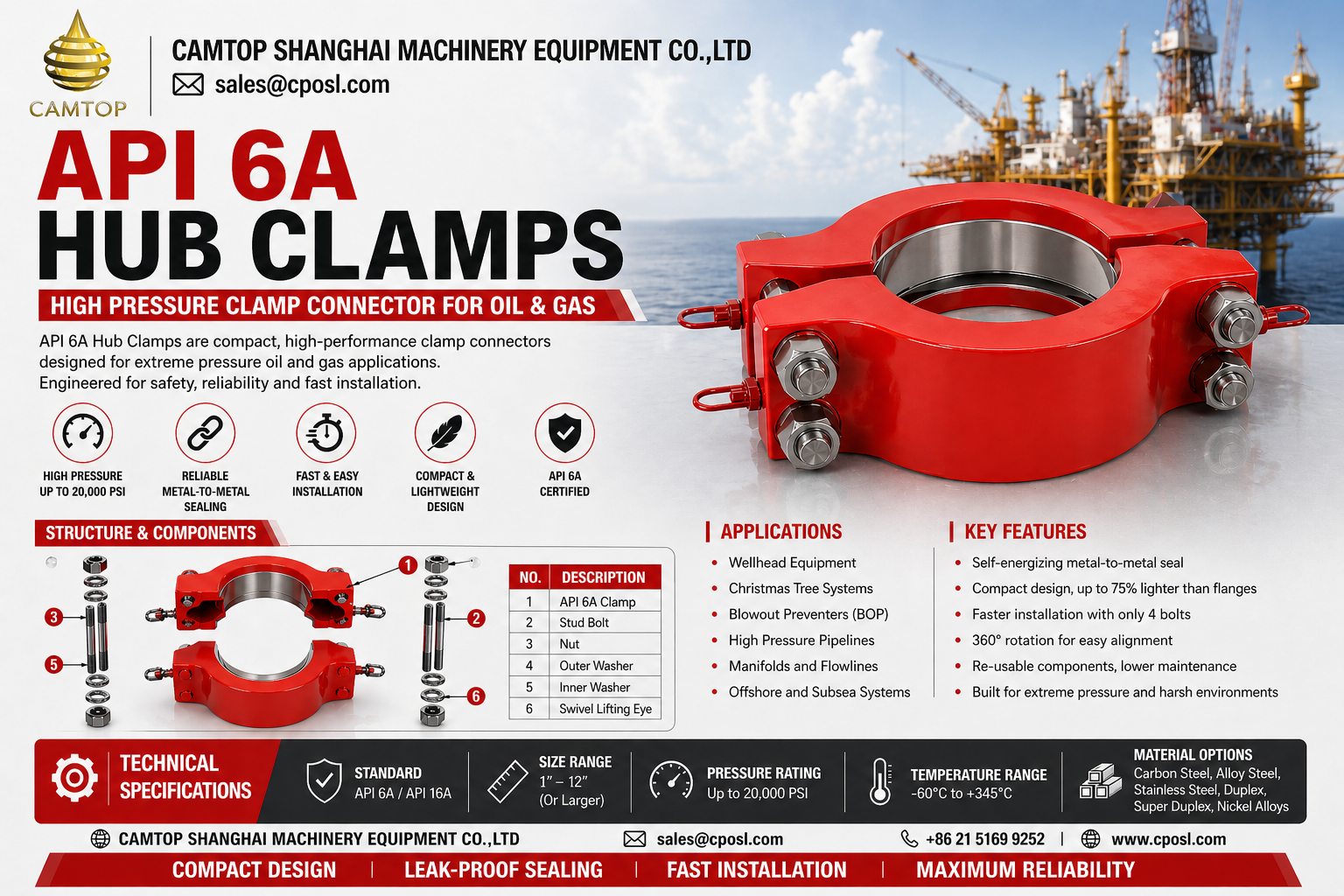 In the oil and gas industry, connection reliability is not just a performance requirement—it is a safety imperative. From upstream drilling operations to subsea production systems, every connection must withstand extreme pressure, temperature, and mechanical stress. This is where API 6A hub clamps (also known as clamp connectors) have become an industry-standard solution.
Unlike traditional flange connections, API 6A hub clamp connectors offer a compact, lightweight, and high-integrity alternative designed specifically for high-pressure applications. Their ability to deliver leak-proof sealing, rapid installation, and long-term durability makes them essential for modern oilfield infrastructure.
In this comprehensive guide, we will explore everything you need to know about 6A hub clamps—including design, working principles, advantages, applications, specifications, and selection criteria—while optimizing for top Google rankings.
What Are API 6A Hub Clamps?
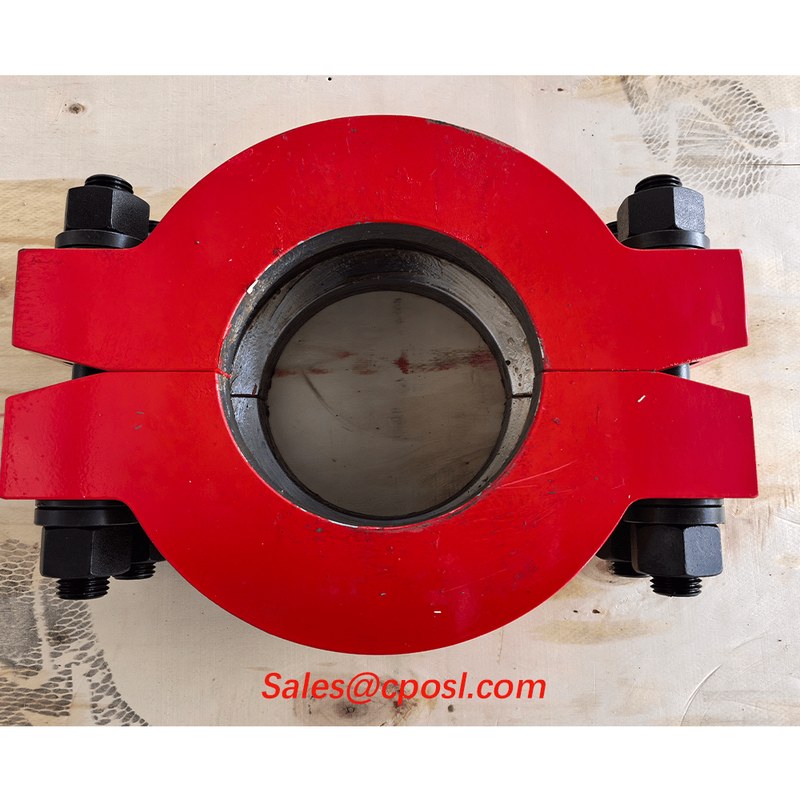
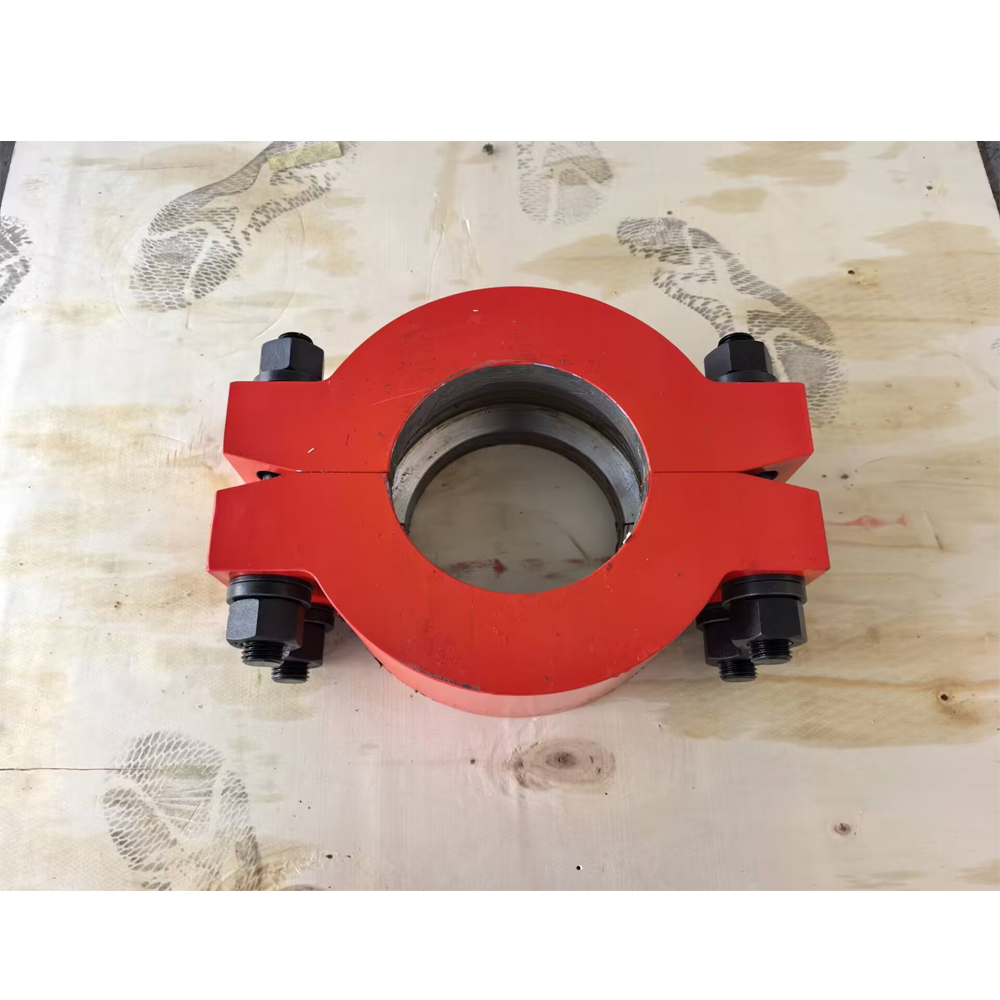
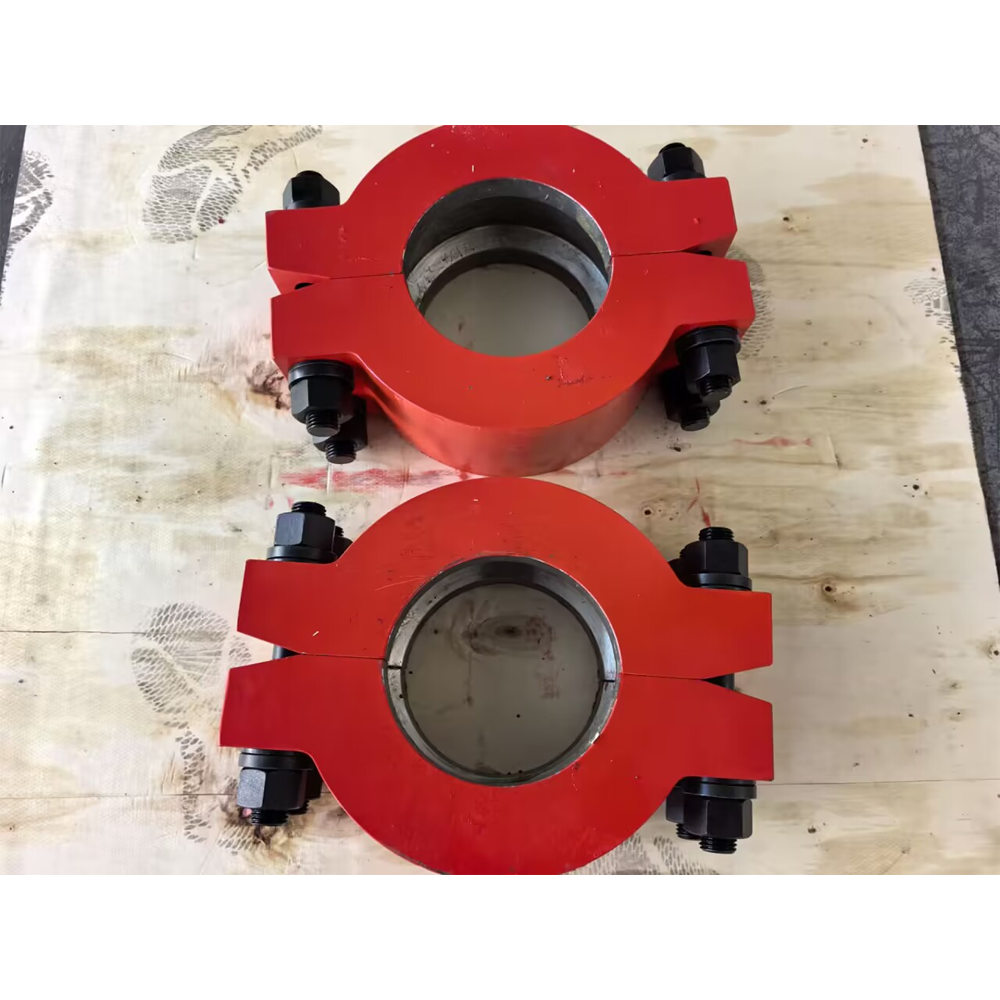
API 6A hub clamps are mechanical pipe connection systems used to join pressure-containing equipment such as valves, pipelines, wellheads, and manifolds.
A typical hub clamp connector consists of four key components:
- Hubs
- Clamp segments
- Seal ring
- Bolting system
These elements work together to create a compact mechanical joint capable of handling extreme pressure conditions.
The system is widely used as an alternative to traditional flanged connections, especially in environments where space, weight, and installation efficiency are critical.
How Do 6A Hub Clamp Connectors Work?
Twin Wedge Mechanism
The core principle behind API 6A hub clamps is the twin wedge effect:
- Clamp segments are tightened around two hubs
- The wedge geometry pulls the hubs together
- The seal ring is compressed between hubs
This creates an initial seal even before pressure is applied.
Self-Energizing Metal-to-Metal Seal
Once the system is pressurized:
- Internal pressure acts on the seal ring
- The sealing force increases automatically
- The connection becomes stronger under load
This is known as a self-energizing seal, which significantly improves reliability compared to gasket-based systems.
Load Distribution and Structural Integrity
Unlike flanges, hub clamp connectors:
- Distribute load evenly across the connection
- Isolate bolts from direct operational stress
- Maintain integrity under bending and axial loads
This ensures long-term stability in dynamic environments.
Key Advantages of API 6A Hub Clamps
1. High-Pressure Performance
API 6A hub clamps are engineered for extreme pressure environments, often exceeding 15,000–20,000 PSI depending on design and size.
Their metal-to-metal sealing mechanism ensures zero leakage even under fluctuating pressure conditions.
2. Compact and Lightweight Design
One of the most significant advantages is size and weight reduction:
- Up to 75% lighter than traditional flanges
- Smaller outer diameter and shorter length
- Reduced structural load on piping systems
This makes them ideal for offshore platforms and subsea installations.
3. Fast Installation and Reduced Downtime
Compared to flange connections:
- Only 4 bolts are typically required
- No bolt hole alignment needed
- 360° rotation capability
This results in faster assembly and disassembly, significantly reducing downtime and labor costs.
4. Leak-Free and Reliable Sealing
The metal-to-metal seal provides:
- High resistance to leakage
- Reusable sealing components
- Improved performance under thermal and pressure cycling
This makes hub clamp connectors more reliable than traditional gasket-based systems.
5. Lower Maintenance Costs
Due to their robust design:
- Less frequent re-tightening required
- Reduced risk of bolt loosening
- Minimal maintenance over long service periods
This leads to lower total lifecycle costs.
6. Superior Structural Strength
API 6A hub clamps can withstand:
- Axial forces
- Bending moments
- Vibrational stress
Without compromising sealing integrity.
Applications of API 6A Hub Clamps
API 6A hub clamps are widely used across the oil and gas value chain:
Upstream Applications
- Wellhead systems (casing heads, tubing heads)
- Christmas tree assemblies
- Blowout preventers (BOP)
Midstream Applications
- High-pressure pipelines
- Flowlines and manifolds
- Gas processing systems
Offshore and Subsea
- FPSO systems
- Subsea pipelines
- Deepwater production equipment
Industrial Applications
- Petrochemical plants
- Power generation
- High-pressure processing systems
Their versatility makes them a universal connection solution in demanding environments.
API 6A Hub Clamp vs Flange Connection
| Feature |
API 6A Hub Clamp |
Traditional Flange |
| Installation Time |
Fast |
Slow |
| Bolts Required |
~4 |
8–24+ |
| Weight |
Lightweight |
Heavy |
| Size |
Compact |
Large |
| Sealing |
Metal-to-metal |
Gasket-based |
| Maintenance |
Low |
High |
Hub clamp connectors are widely recognized as a superior alternative to flanges in high-performance systems.
Technical Specifications of 6A Hub Clamps
Typical specifications include:
- Standard: API 6A / API 16A
- Size Range: 1” to 12” (or larger)
- Pressure Rating: Up to 20,000 PSI
- Temperature Range: -60°C to +345°C
- Materials:
- Carbon steel
- Alloy steel
- Stainless steel
- Duplex / super duplex
- Nickel alloys
These specifications ensure compatibility with extreme industrial conditions.
Materials and Corrosion Resistance
Material selection is critical in oil and gas environments. API 6A hub clamps are available in:
- AISI 4130 alloy steel for high strength
- Stainless steel for corrosion resistance
- Duplex steel for subsea applications
- Nickel alloys for harsh chemical environments
These materials comply with industry standards such as NACE MR0175, ensuring resistance to H₂S and corrosion.
How to Select the Right API 6A Hub Clamp
Choosing the right hub clamp involves several key considerations:
1. Pressure Rating
Ensure the clamp matches system pressure requirements (e.g., 5,000 PSI, 10,000 PSI, 15,000 PSI).
2. Size and Compatibility
Match the hub size with pipeline dimensions and equipment specifications.
3. Material Selection
Consider environmental factors such as:
- Corrosion
- Temperature
- Chemical exposure
4. Industry Standards
Verify compliance with:
- API 6A
- API 17D
- ASME standards
5. Application Type
Different applications (onshore vs offshore) require different design considerations.
Why API 6A Hub Clamps Are Replacing Flanges
The oil and gas industry is increasingly adopting hub clamp connectors because they offer:
- Higher reliability
- Faster installation
- Reduced weight
- Lower operational costs
Additionally, their ability to maintain sealing integrity under extreme conditions makes them ideal for modern high-pressure systems.
Future Trends in Clamp Connector Technology
As the energy industry evolves, hub clamp technology is advancing in several areas:
- Enhanced sealing materials
- Smart monitoring systems
- Corrosion-resistant coatings
- Compatibility with hydrogen and clean energy systems
These innovations will further solidify the role of hub clamps in next-generation infrastructure.
Conclusion
API 6A hub clamps represent a high-performance, efficient, and reliable connection solution for the oil and gas industry. Their combination of compact design, high-pressure capability, and superior sealing performance makes them an essential component in modern engineering systems.
Whether used in wellheads, pipelines, or subsea equipment, 6A hub clamps provide unmatched advantages over traditional flange connections.
If your project demands maximum safety, efficiency, and long-term reliability, API 6A hub clamps are the optimal choice.

Reviews
There are no reviews yet.