
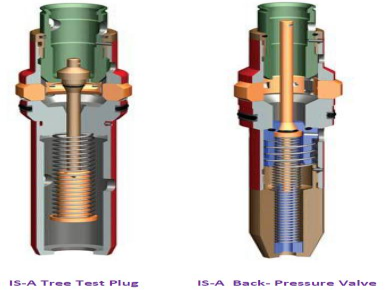
Learn the key differences between ISA Back Pressure Valves (BPV) and Tree Test Plugs (TTP) used in oil and gas wellhead systems. Explore functions, installation methods, and applications for safe Christmas tree installation and pressure testing.
Back Pressure Valve & Tree Test Plug
Description
ISA Back Pressure Valve vs Tree Test Plug: Complete Oilfield Guide
Introduction to Wellhead Pressure Control
In oil and gas production systems, wellhead pressure control tools are essential for maintaining operational safety and ensuring proper installation of surface equipment.
Two critical components widely used in well completion and well intervention operations are the ISA Back Pressure Valve (BPV) and the ISA Tree Test Plug (TTP).
Both tools are installed in tubing hangers or wellhead adapters, but they serve different purposes in the pressure control process during Christmas tree installation and testing.
Understanding the differences between these tools helps engineers select the correct oilfield pressure control equipment for safe and efficient operations.
This guide explains:
-
What an ISA Back Pressure Valve is
-
What a Tree Test Plug does
-
Key differences between BPV and TTP
-
Installation procedures
-
Applications in well completion operations
What is an ISA Back Pressure Valve?
The ISA Back Pressure Valve (BPV) is a pressure control device used to seal the tubing hanger and contain well pressure from below.
The valve latches into a mating groove inside TC-Series tubing hangers or couplings, creating a reliable pressure barrier.
This isolation allows operators to safely remove blowout preventers and install the Christmas tree assembly without exposing surface equipment to well pressure.
Functions of a Back Pressure Valve in Oilfield Operations
Wellbore Pressure Isolation
The primary function of the BPV is to seal the wellbore and isolate formation pressure.
This allows operators to safely perform operations such as:
-
Removing blowout preventers (BOP)
-
Installing the Christmas tree
-
Conducting wellhead maintenance
-
Performing intervention operations
BPVs act as a temporary barrier that prevents well pressure from reaching the surface.
Safe Christmas Tree Installation
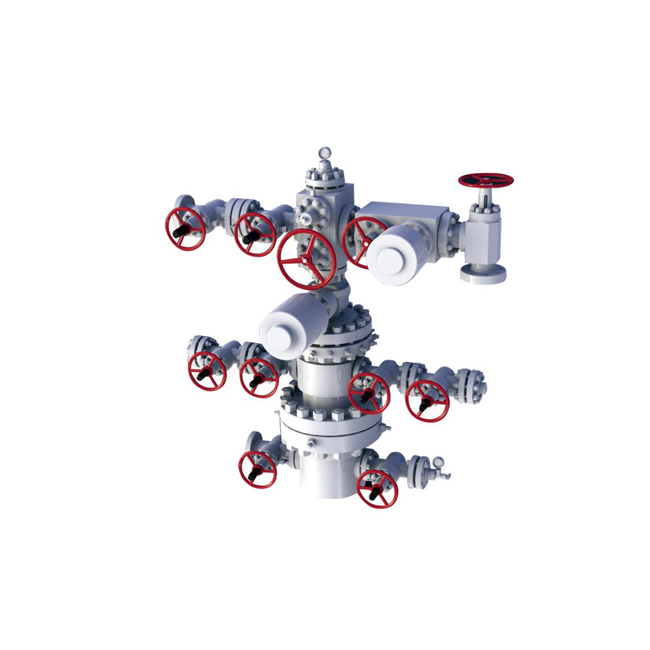
During well completion, the Christmas tree is installed after the BOP stack is removed.
The BPV ensures that well pressure remains contained within the tubing hanger, allowing safe installation of:
-
Master valves
-
Wing valves
-
Swab valves
-
Surface safety systems
Without a BPV, tree installation could expose equipment and personnel to dangerous well pressure.
Temporary Pressure Isolation for Repairs
Another important function of the BPV is allowing tree maintenance without killing the well.
Operators can temporarily isolate well pressure to perform:
-
Valve repairs
-
Surface equipment maintenance
-
Pressure control adjustments
This significantly reduces well intervention costs.
Pressure Equalization and Monitoring
ISA Back Pressure Valves typically include an internal stinger mechanism that allows operators to:
-
Check wellbore pressure
-
Equalize pressure across the valve
-
Safely retrieve the valve
Pressure equalization prevents sudden pressure release during removal.
Design Advantages of ISA Back Pressure Valves
ISA BPVs are designed specifically for high-pressure oil and gas wells.
Key design features include:
Controlled Sealing Location
The valve seals in the tubing hanger or coupling, where:
-
Structural strength is highest
-
Dimensional tolerances are tightly controlled
This improves sealing reliability compared to sealing directly in tubing.
Secure Latching System
The valve latches into a precisely machined groove, preventing accidental movement into the tubing string.
Positive Setting Indication
A shear pin release mechanism confirms when the valve is properly set.
Flexible Installation
The valve can be installed using:
-
Manual installation tools
-
Hydraulic lubricator systems
This allows deployment in both offshore and onshore wells.
What is an ISA Tree Test Plug?
The ISA Tree Test Plug (TTP) is a specialized tool used to pressure test the Christmas tree and wellhead system after installation.
Unlike the BPV, the Tree Test Plug is designed to hold pressure from above, sealing the tubing bore and allowing operators to apply test pressure to the surface equipment.
This ensures the integrity of the Christmas tree valves, seals, and connections before production begins.
Importance of Christmas Tree Pressure Testing
Pressure testing the Christmas tree is a critical step in well commissioning.
It verifies:
-
Valve integrity
-
Seal performance
-
Leak prevention
-
Wellhead structural strength
Tree testing ensures that the wellhead system can safely handle operating pressure during production.
Key Functions of a Tree Test Plug
Tubing Bore Isolation
The Tree Test Plug seals the tubing hanger profile and isolates the tubing bore from test pressure.
This allows operators to pressure test only the Christmas tree and wellhead equipment.
Accurate Surface Equipment Testing
By isolating the tubing string, the TTP ensures that pressure tests evaluate the integrity of:
-
Christmas tree valves
-
Wellhead connections
-
Surface pressure control components
This improves the accuracy of pressure testing procedures.
Simplified Installation
One advantage of the ISA Tree Test Plug is that it installs exactly the same way as the Back Pressure Valve.
Operators can use the same:
-
Installation tools
-
Lubricator systems
-
Tubing hanger profiles
This simplifies operational procedures in the field.
Limitation of Tree Test Plugs
Unlike a Back Pressure Valve, the Tree Test Plug cannot hold pressure from below.
Therefore, well pressure must be isolated before testing.
Common isolation methods include:
-
Downhole plugs
-
Surface Controlled Subsurface Safety Valves (SCSSV)
Without downhole isolation, formation pressure could push the plug upward.
ISA Back Pressure Valve vs Tree Test Plug
| Feature | Back Pressure Valve | Tree Test Plug |
|---|---|---|
| Pressure Direction | Holds pressure from below | Holds pressure from above |
| Primary Function | Well pressure control | Christmas tree pressure testing |
| Installation | Manual or hydraulic lubricator | Same as BPV |
| Pressure Isolation | Direct isolation of well pressure | Requires downhole isolation |
| Use During Tree Installation | Yes | No |
| Use During Tree Testing | No | Yes |
When to Use Each Tool
Use a Back Pressure Valve for:
-
Well completion operations
-
Christmas tree installation
-
Removing blowout preventers
-
Temporary well pressure isolation
-
Wellhead maintenance
Use a Tree Test Plug for:
-
Christmas tree pressure testing
-
Wellhead system integrity testing
-
Commissioning new wells
-
Verifying surface equipment seals
Installation Overview
Typical installation steps include:
-
Prepare lubricator or installation tool
-
Insert the BPV or Tree Test Plug into the tubing hanger profile
-
Engage the latching mechanism
-
Confirm shear pin release
-
Verify pressure isolation before operations begin
Always follow manufacturer safety procedures.
Frequently Asked Questions
What is the difference between BPV and Tree Test Plug?
A Back Pressure Valve holds pressure from below, while a Tree Test Plug holds pressure from above during tree pressure testing.
Can a Tree Test Plug replace a BPV?
No. A Tree Test Plug cannot isolate well pressure from below and therefore cannot replace a BPV during well completion operations.
Where is a BPV installed?
BPVs are installed in the tubing hanger profile within the wellhead system.
Why is tree pressure testing necessary?
Tree testing ensures that the Christmas tree valves, seals, and connections are leak-free and capable of handling operating pressure.
Related Oilfield Pressure Control Equipment
To improve topical authority in Google, link this article internally to pages covering:
-
Tubing Hanger Systems
-
Christmas Tree Equipment
-
Surface Controlled Subsurface Safety Valves (SCSSV)
-
Blowout Preventers (BOP)
-
Wellhead Completion Systems
Conclusion
Both the ISA Back Pressure Valve (BPV) and ISA Tree Test Plug (TTP) are essential tools in modern oilfield well completion operations.
While they share similar installation methods, their pressure containment functions are fundamentally different.
The BPV provides well pressure isolation from below, allowing safe installation and maintenance of surface equipment.
The Tree Test Plug holds pressure from above, enabling accurate pressure testing of the Christmas tree and wellhead system.
Selecting the correct pressure control tool ensures safe, efficient, and compliant wellhead operations.

Reviews
There are no reviews yet.