What is a Power Swivel in Drilling Operations?
Introduction
In modern drilling operations, efficiency, safety, and precision are critical for successful projects. One piece of equipment that has significantly improved drilling performance is the power swivel. Widely used in oilfield drilling, workover operations, and water well drilling, a power swivel provides reliable rotational power to drill strings while reducing manual labor and equipment wear.
A hydraulic power swivel replaces traditional mechanical rotation tools such as spinning chains and pipe wrenches. By using hydraulic motors and gear reduction systems, the power swivel delivers controlled torque and adjustable rotation speeds for drilling operations.
This article explains what a power swivel is, how it works, and why it has become essential in modern drilling operations.
What is a Power Swivel?
A power swivel is a hydraulic-driven drilling tool designed to rotate drill strings during drilling and well servicing operations. It is typically mounted on the derrick or workover rig and powered by a hydraulic system driven by a diesel engine or hydraulic power unit.
The primary function of a drilling power swivel is to provide rotational force to the drill string while allowing drilling fluid to circulate through the pipe. This combination of rotation and fluid circulation is essential for efficient drilling.
Power swivels are commonly used in:
Compared with traditional drilling equipment, power swivels offer improved control and higher operational efficiency.
Main Components of a Power Swivel
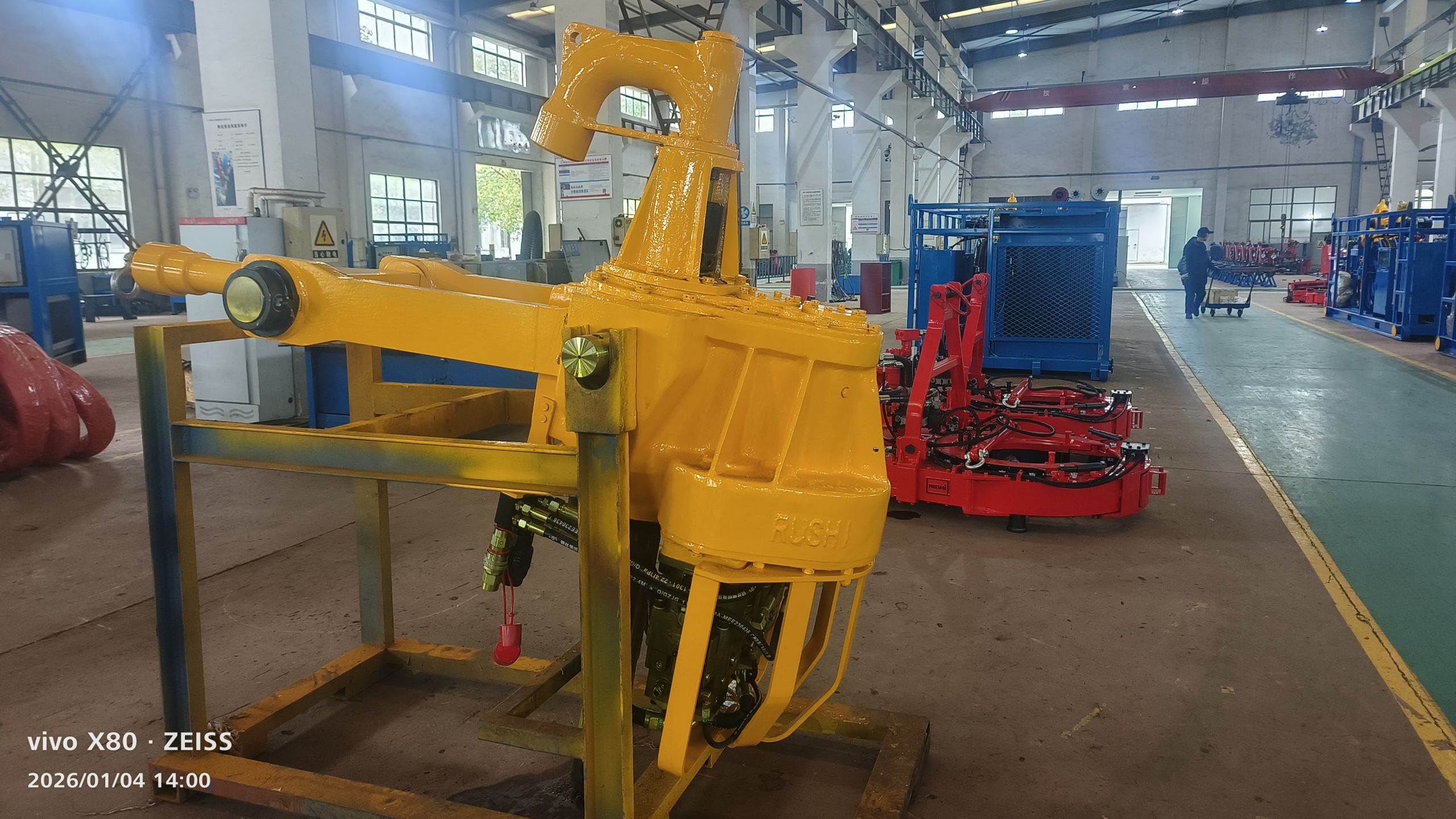
A typical hydraulic power swivel system consists of several major components.
Hydraulic Motor
The hydraulic motor is the main power source that drives the rotation of the drill string. Hydraulic pressure from the power unit is converted into mechanical rotation.
Gear Reduction System
A gear reduction mechanism multiplies the torque generated by the hydraulic motor. This allows the power swivel to produce high torque for heavy drilling loads.
Central Pipe
The central pipe connects the power swivel to the drill string. It rotates together with the drill string while allowing drilling fluid to flow through it.
Gooseneck and Wash Pipe
These components guide drilling fluid into the drill string while maintaining proper sealing during rotation.
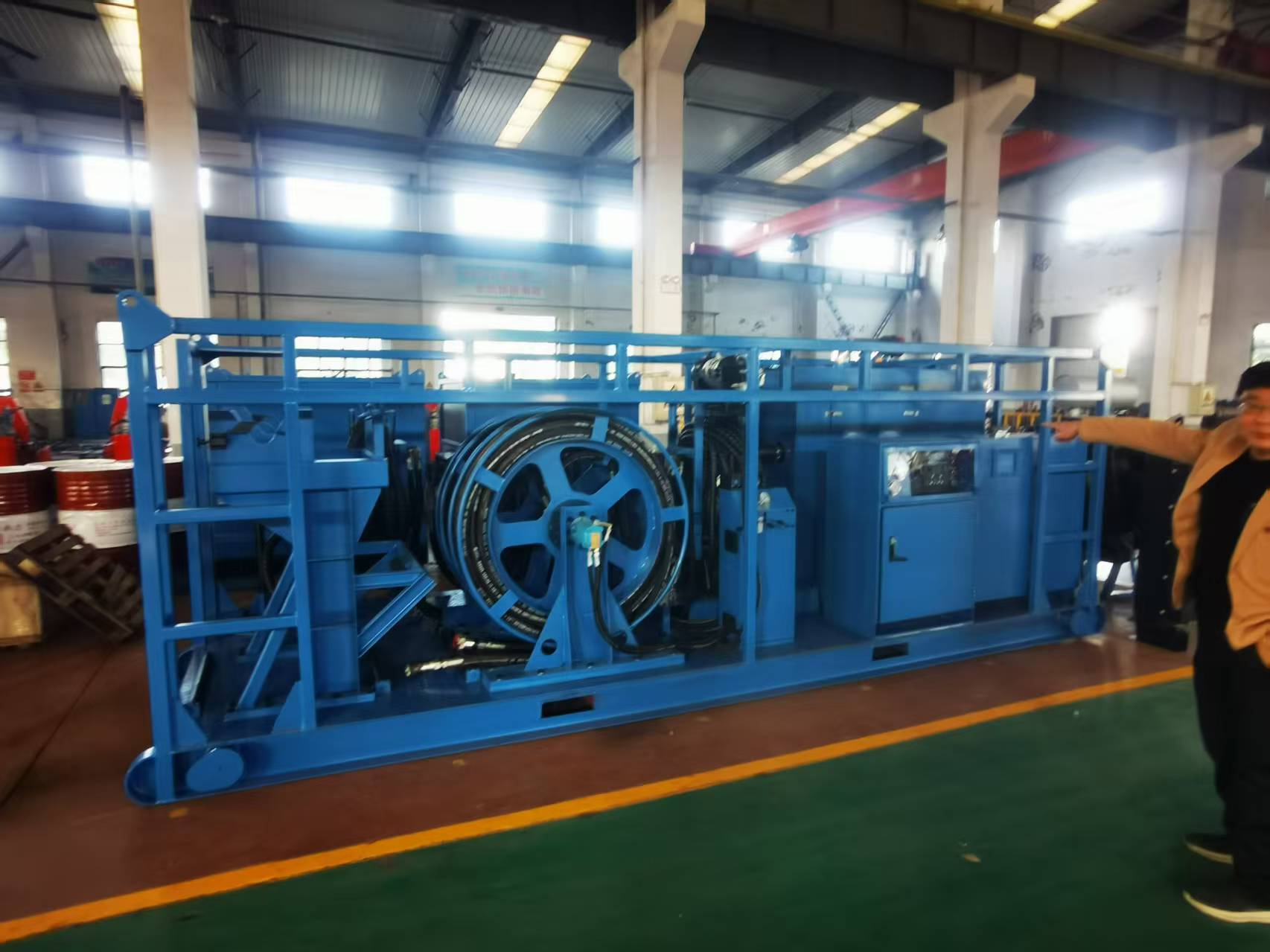
Hydraulic Power Unit
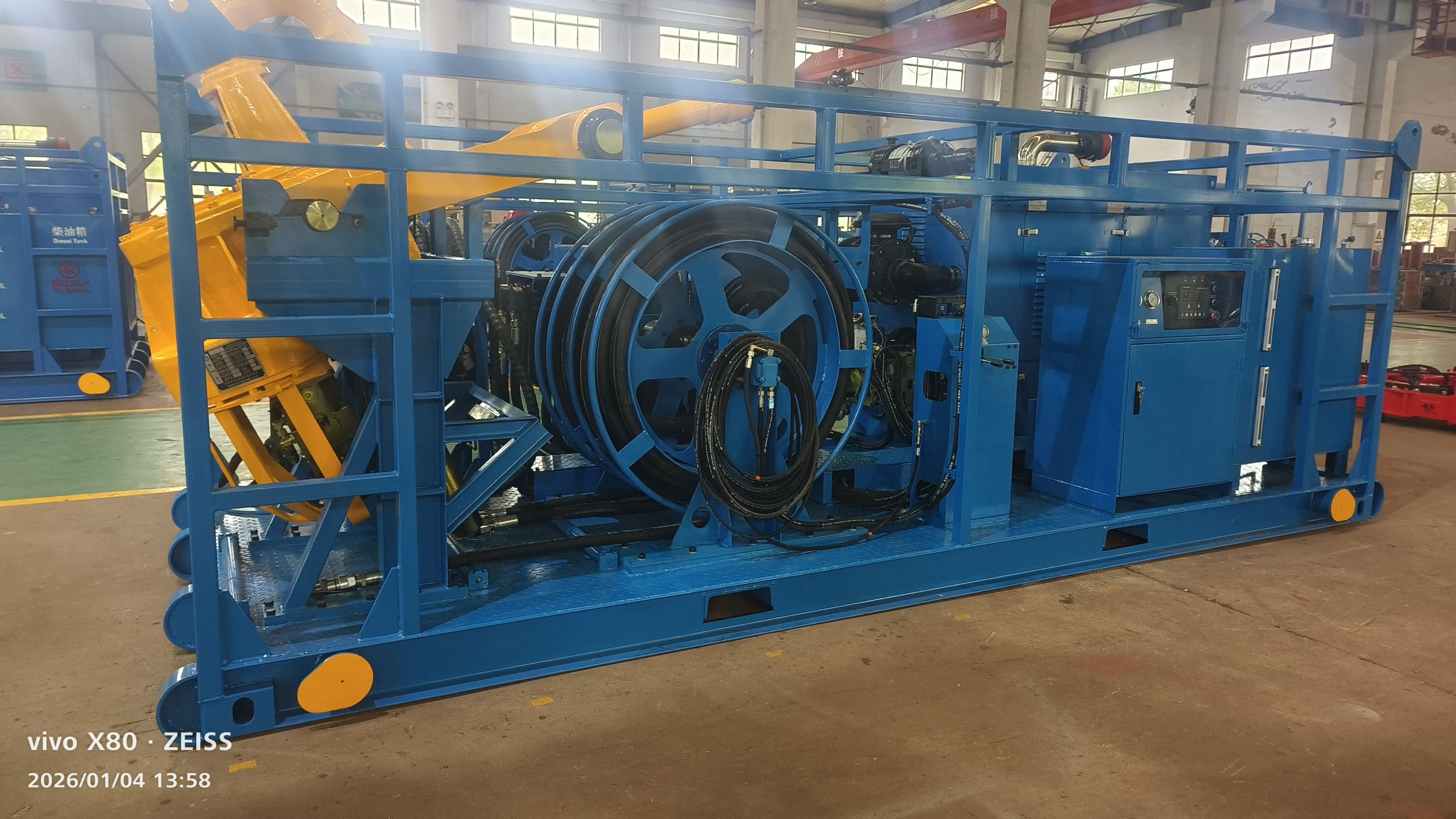
The hydraulic power unit supplies pressurized hydraulic oil to the swivel motor. It usually includes:
-
Diesel engine
-
Hydraulic pumps
-
Oil tank
-
Cooling system
-
Filters
How Does a Power Swivel Work?
The working principle of a hydraulic power swivel is based on hydraulic energy transmission.
The process typically works as follows:
-
A diesel engine drives the hydraulic pump system.
-
The hydraulic pump generates high-pressure hydraulic oil.
-
Hydraulic oil flows through pipelines to the swivel motor.
-
The hydraulic motor rotates the central pipe through gears.
-
The rotating central pipe drives the drill string.
-
Drilling fluid circulates through the gooseneck and central pipe.
This system allows the drill string to rotate smoothly while maintaining drilling fluid circulation.
Advantages of Using a Power Swivel
Increased Drilling Efficiency
Power swivels eliminate the need for manual pipe spinning tools, allowing faster and more efficient drilling operations.
Precise Speed Control
Modern power swivels provide stepless speed control, allowing operators to adjust rotation speed based on drilling conditions.
High Torque Capability
Hydraulic motors combined with gear reduction systems can deliver very high torque, making power swivels suitable for heavy drilling tasks.
Reduced Equipment Wear
By providing smooth torque transmission, power swivels reduce mechanical stress on drilling rigs and drill strings.
Improved Safety
Using hydraulic control systems allows operators to control drilling rotation remotely, improving safety on drilling sites.
Applications of Power Swivels
Power swivels are widely used in multiple industries.
Oil and Gas Drilling
They are commonly used for drilling oil and gas wells, especially in workover operations.
Well Servicing
Power swivels assist in well repair tasks such as tubing removal, casing cutting, and fishing operations.
Water Well Drilling
Many water well drilling contractors use power swivels for efficient drilling.
Geological Exploration
In geological drilling, power swivels provide stable rotation during core sampling.
Choosing the Right Power Swivel
When selecting a power swivel, several factors should be considered:
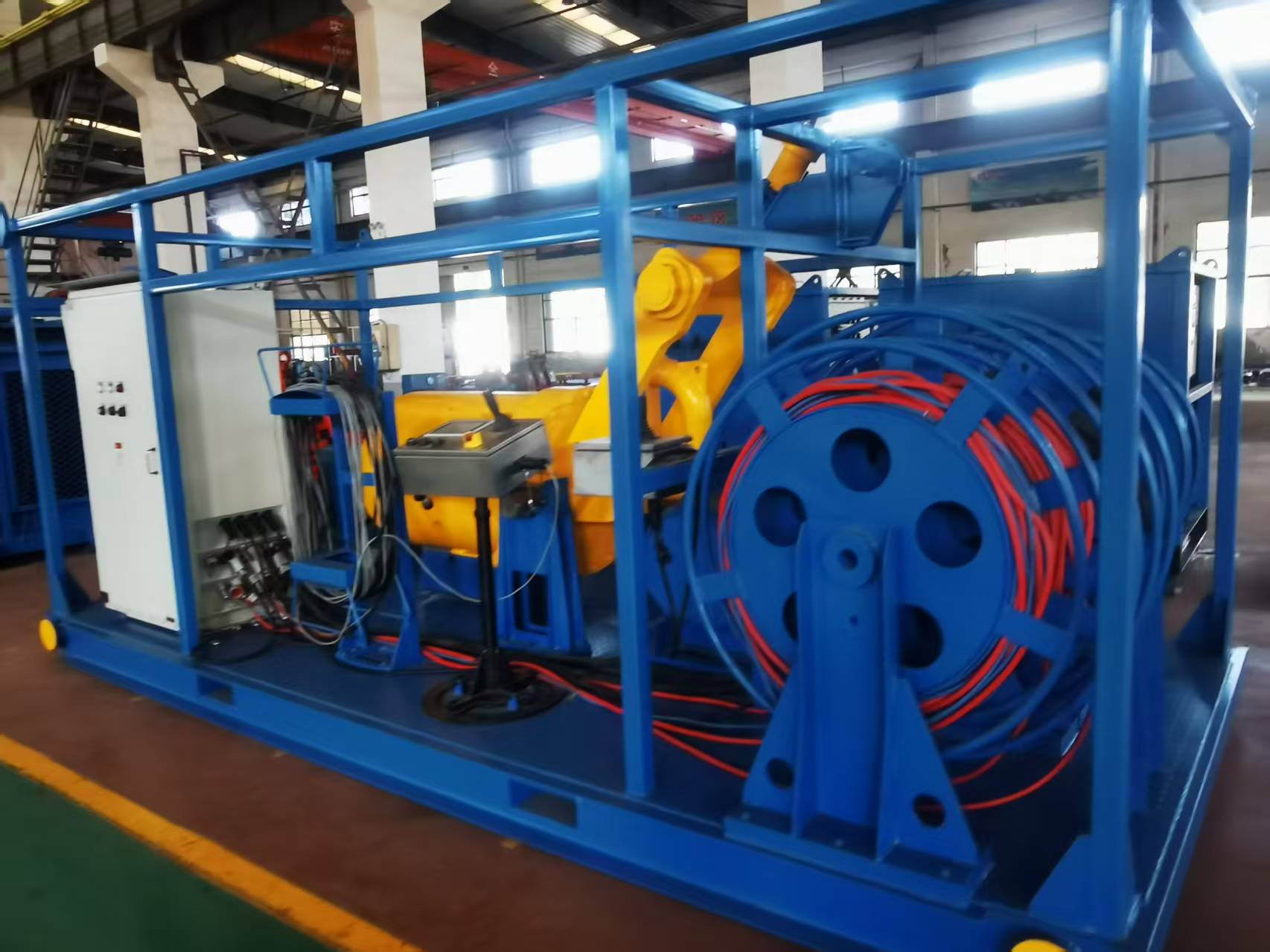
High-performance models such as the DSL135 hydraulic power swivel provide strong torque output and reliable performance for a wide range of drilling operations.
Conclusion
A power swivel is an essential tool for modern drilling operations. By combining hydraulic power with precise speed control, it allows drilling contractors to perform operations more efficiently and safely.
As drilling technology continues to evolve, hydraulic power swivels will remain a key component in oilfield drilling, workover operations, and exploration drilling worldwide.


Reviews
There are no reviews yet.