
Can shear rams really shear through any drill pipe ?
1. The Last Line of Defense: What is a Blind Shear Ram?
In offshore and land drilling, the Blowout Preventer (BOP) stack is a massive, multi-story structure of high-pressure valves sitting on top of the wellhead. If high-pressure oil or gas suddenly surges up the wellbore (a “kick”), the BOP is activated to choke off the well and prevent an explosion.
The Blind Shear Ram (BSR) is the absolute device of last resort. If all other valves fail to stop the flow, the BSR is activated.
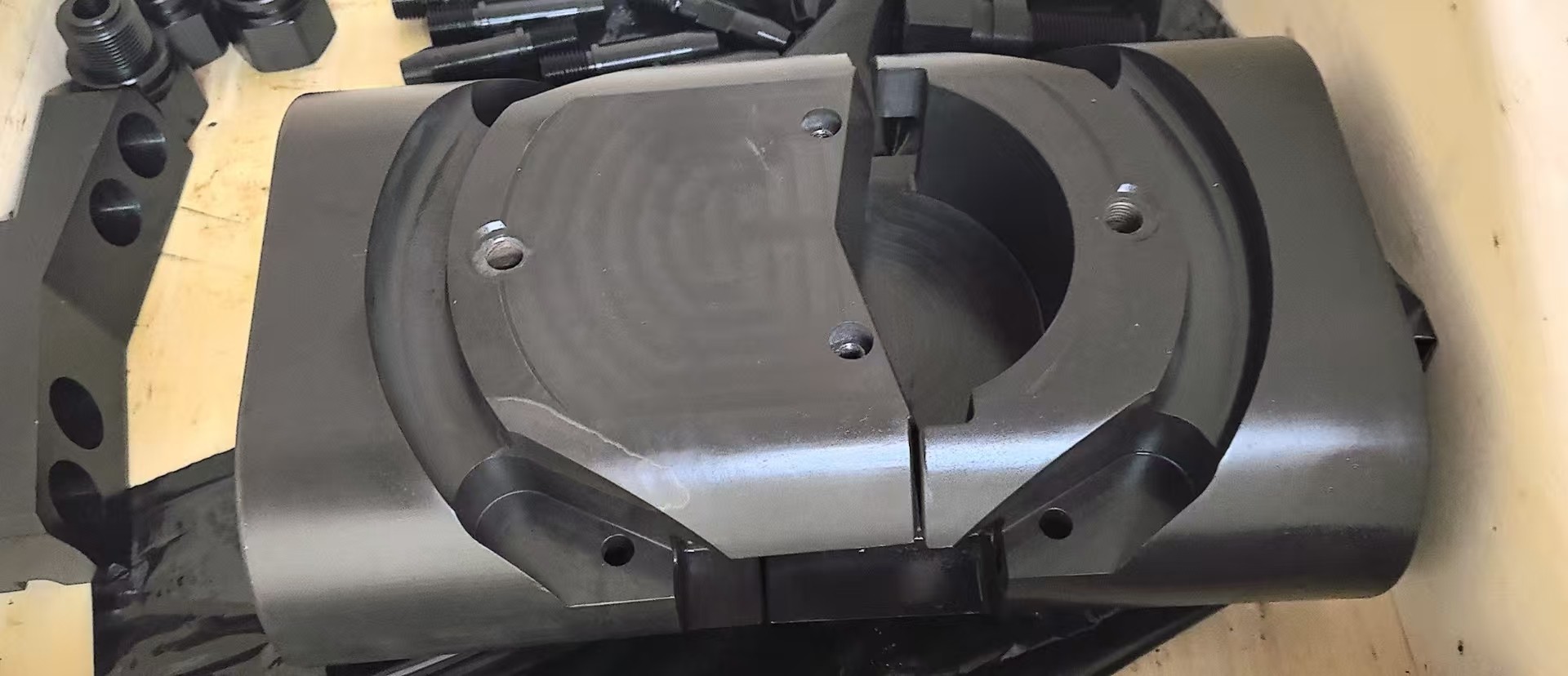
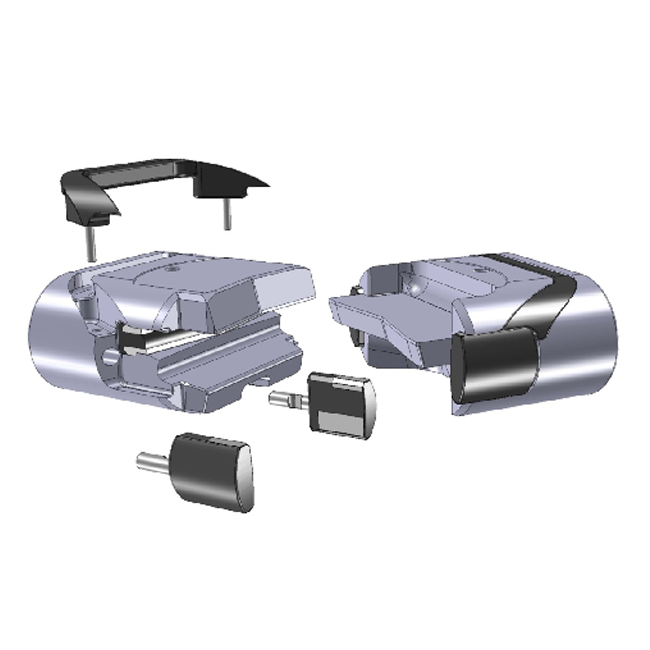
It functions like a pair of giant, hydraulically powered metal scissors and executes two tasks simultaneously:
• Shear: Two hardened steel blades drive together with millions of pounds of force to crush and slice right through the metal drill pipe.
• Blind: Once the pipe is severed and the lower half drops down the hole, the blades close tightly against each other, completely sealing (or “blinding”) the open well to stop the flow of hydrocarbons.
2. The “Kryptonite”: What Can’t It Cut?
You might think millions of pounds of hydraulic force could cut anything, but BSRs are precisely calibrated for specific pipe diameters and steel grades. If the ram encounters something it wasn’t designed for, it will fail.
Here is what a standard BSR struggles with or simply cannot shear:
• Tool Joints: Drill strings are not just long, uniform tubes. They are made of individual 30-foot sections of pipe connected by “tool joints”—threaded ends that are significantly thicker and wider than the main body of the pipe. If a shear ram tries to cut across a tool joint, the immense thickness will jam the blades.
• Drill Collars: These are extremely heavy, thick-walled steel tubes placed at the bottom of the drill string to add weight and stability to the drill bit. Because their walls are nearly solid steel, standard BSRs do not have the force to cut them.
• Casing and Multiple Strings: Standard BSRs are designed to cut a single layer of standard drill pipe. If there is a heavier outer casing pipe in the way, or if multiple smaller tubes (like tubing and wirelines) are bundled together, the blades might fail to cut cleanly or fail to seal completely afterward.
• Modern High-Strength Alloys: As the oil industry drills deeper into higher-pressure environments, the drill pipes themselves are engineered to be stronger and thicker. Ironically, by making the pipes safer against deep-sea pressures, they become physically harder for the rams to cut.
3. The Deepwater Horizon Tragedy: A Real-World Lesson
The most famous—and tragic—example of a shear ram failing occurred during the 2010 Deepwater Horizon (Macondo well) blowout.
Why didn’t the BSR seal the well and stop the spill?
The immense upward pressure of the escaping gas buckled the drill pipe, pushing it completely off-center. When the BSR fired, the pipe was trapped
outside the shearing blades but inside the ram block cavity. The ram crushed the pipe but couldn’t sever it or seal the hole, allowing oil to bypass the failsafe.
4. The Engineering Arms Race
Because of these limitations, the drilling industry is constantly evolving to outsmart potential failures:
• Space-Out Calculations: Drillers strictly monitor exactly where the pipe is hanging in the BOP. This ensures that if the shear rams need to fire, they will only hit the thin, easily cuttable body of the pipe, never a thick tool joint.
• Dual Shear Rams: Modern deepwater rigs now utilize BOP stacks with two sets of blind shear rams. They are spaced far enough apart that if one set accidentally hits an uncuttable tool joint, the other set is guaranteed to hit the thinner pipe body.
• Casing Shear Rams: Some rigs utilize a separate type of ram that is strong enough to cut thick casings and drill collars.
However, these rams usually only cut—they do not have the ability to seal the well afterward, meaning they must be used in tandem with other valves.
Summary
Blind shear rams are incredible feats of engineering, but they are not magic. They are precision tools that rely on the drill pipe being the right size, made of the right material, and positioned in exactly the right place. While they save countless rigs from disaster, underst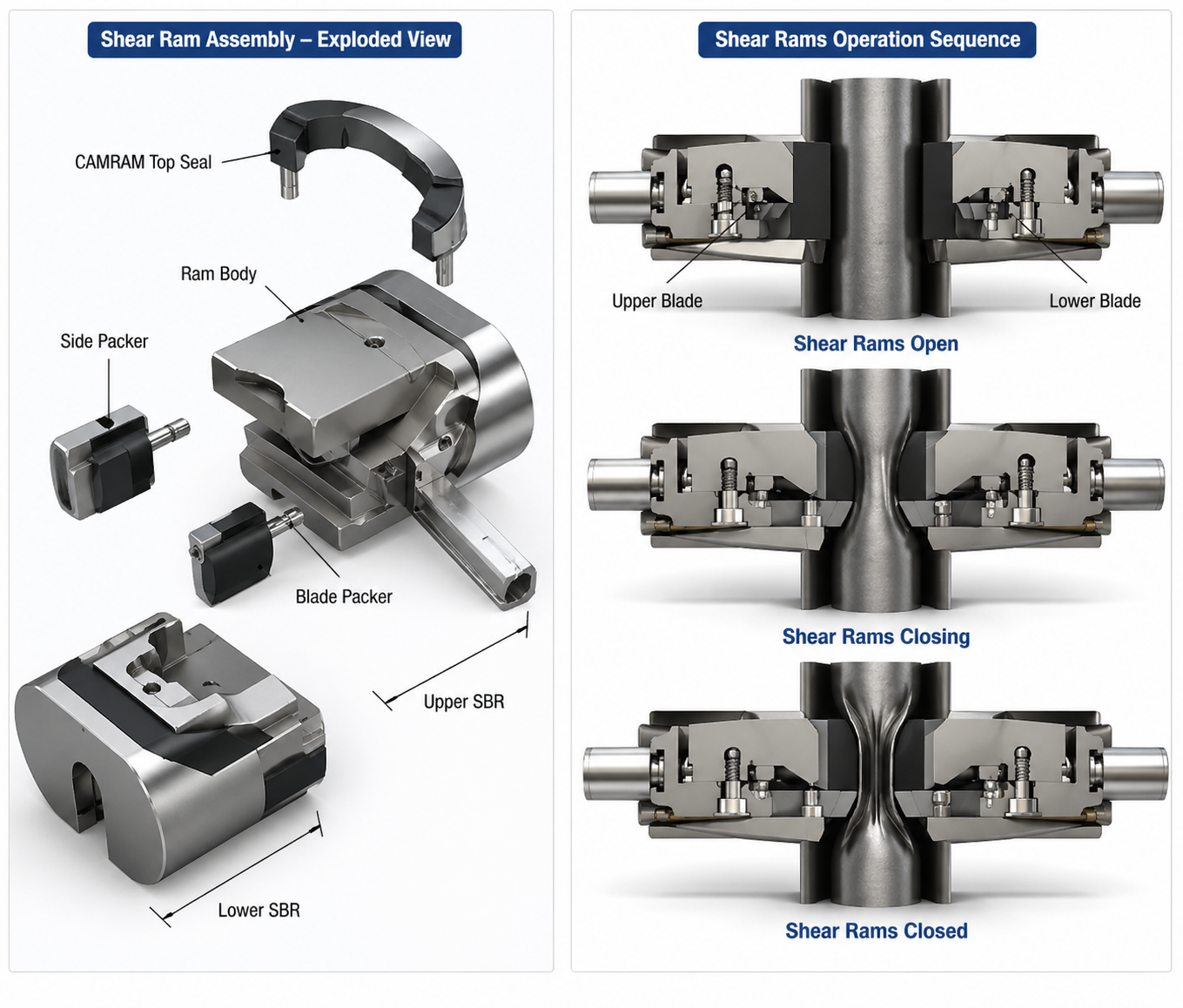 anding their mechanical limits is exactly what drives better safety protocols in the energy sector today.
Leave A Comment